Classes
Chenda Melams
Panchari
Melam
Panchari Melam is a classical temple percussion ensemble from Kerala, performed during deity processions. It follows a six-beat rhythmic cycle (Panchari) and features instruments like Chenda, Elathalam, Kuzhal, and Kombu. Panchari Melam is known for its structured tempo progression and is the most popular melam in Kerala’s temple traditions.
Chembada
Melam
Chenda Chembada Melam is a traditional Kerala percussion ensemble featuring Chenda drums, Elathalam, Kombu, and Kuzhal. Played in an 8-beat rhythm it’s performed during temple festivals, especially processions. Chembda is a shorter, quicker melam compared to Panchari melam, but still follows the structured tempo progression.
Pandi
Melam
Pandi Melam is a powerful traditional percussion ensemble from Kerala, typically performed outside temples during festivals. It features Chenda, Elathalam, Kombu, and Kuzhal, and follows a dynamic rhythmic structure alternating between fast, energizing sections and slow portions. Known for its open-air, grand performances, Pandi Melam is a great example of Kerala’s vibrant temple festivals.
Instruments
Chenda
Idakka

Elathalam
Kombu
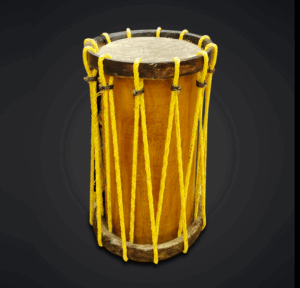
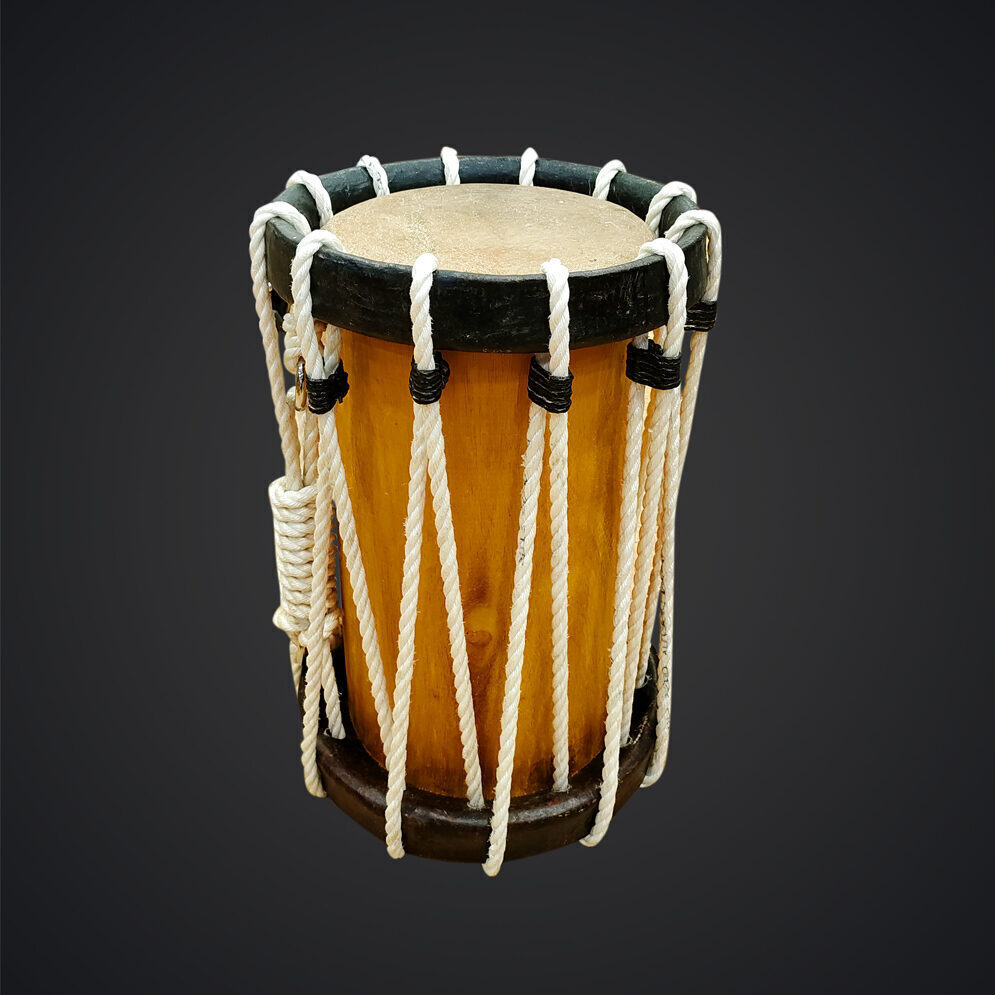
Chenda
The chenda is a traditional percussion instrument from Kerala, India, commonly used in temple festivals, classical dance performances (like Kathakali), and cultural processions. It is a cylindrical drum made of jackfruit wood, with animal hide stretched over both ends. The chenda is played with two sticks, producing a loud, powerful, and rhythmic sound that often leads ensembles such as chenda melam. It symbolizes energy, celebration, and cultural pride in Kerala’s musical traditions.
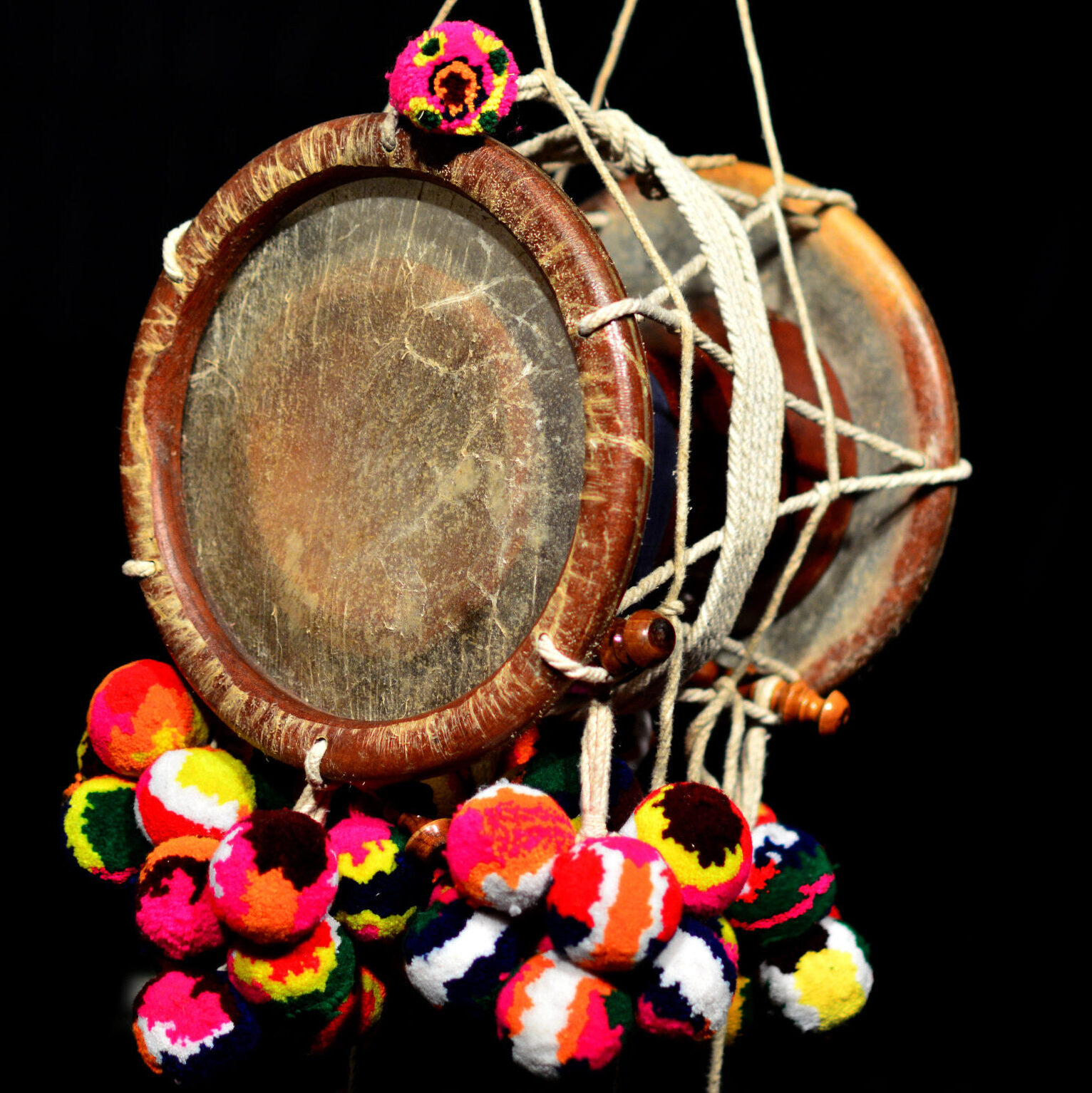
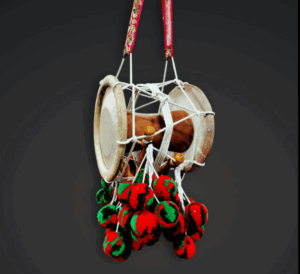
Idakka
The idakka (also spelled edakka) is a small hourglass-shaped drum from Kerala, India. It is an important percussion instrument used in temple rituals, classical music, and dance performances like Panchavadyam and Sopana Sangeetham. Unlike the chenda, the idakka produces a soft and melodic tone. It is played with a thin stick on one side while the player squeezes the strings around its body to change the pitch, allowing it to imitate vocal notes. The idakka is known for its graceful and expressive sound, often used in more devotional or gentle settings.
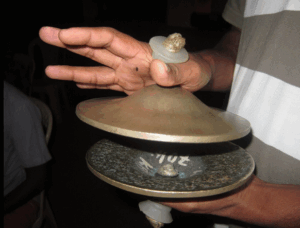
Elathalam
The elathalam (also spelled ilathalam) is a small pair of bronze cymbals used in traditional Kerala music ensembles. It produces a clear, metallic clinking sound and is played by striking the two pieces together rhythmically. The elathalam doesn’t change pitch but provides the steady rhythmic foundation that keeps time for other instruments like the chenda and idakka. It is commonly used in performances such as Panchavadyam, Kathakali, and temple rituals, serving as an essential part of Kerala’s percussion traditions.
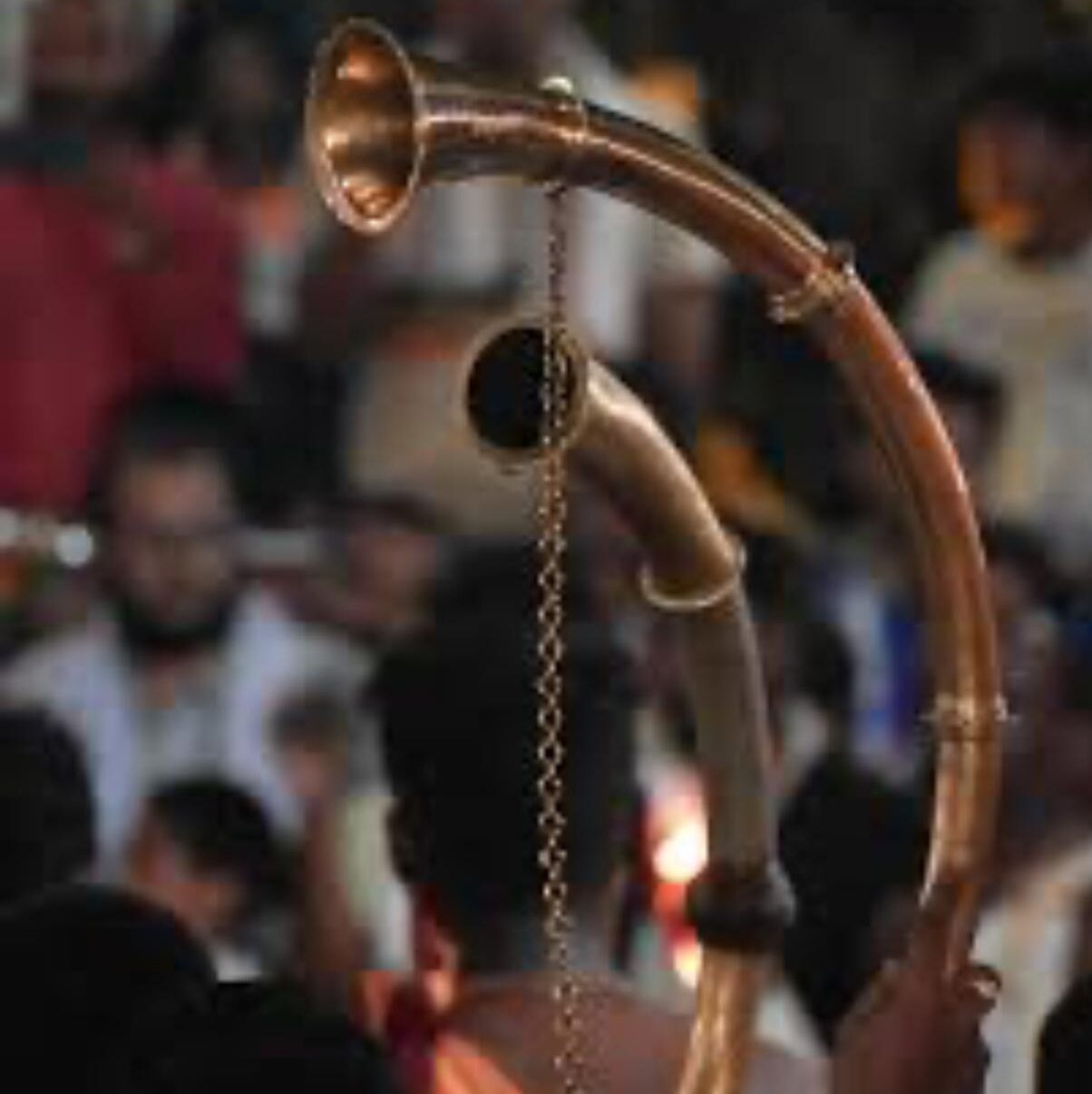
Kombu
The kombu is a curved wind instrument from Kerala, India, traditionally made of brass or copper. It is used in temple music ensembles like Panchavadyam and Melam. The kombu produces a deep, resonant, and powerful sound by blowing air through its narrow end while controlling the pitch with lip pressure. Although it can play only a few notes, it adds a majestic and energetic tone to performances, often accompanying percussion instruments like the chenda. The kombu’s sound symbolizes strength and grandeur in Kerala’s temple and festival music.